

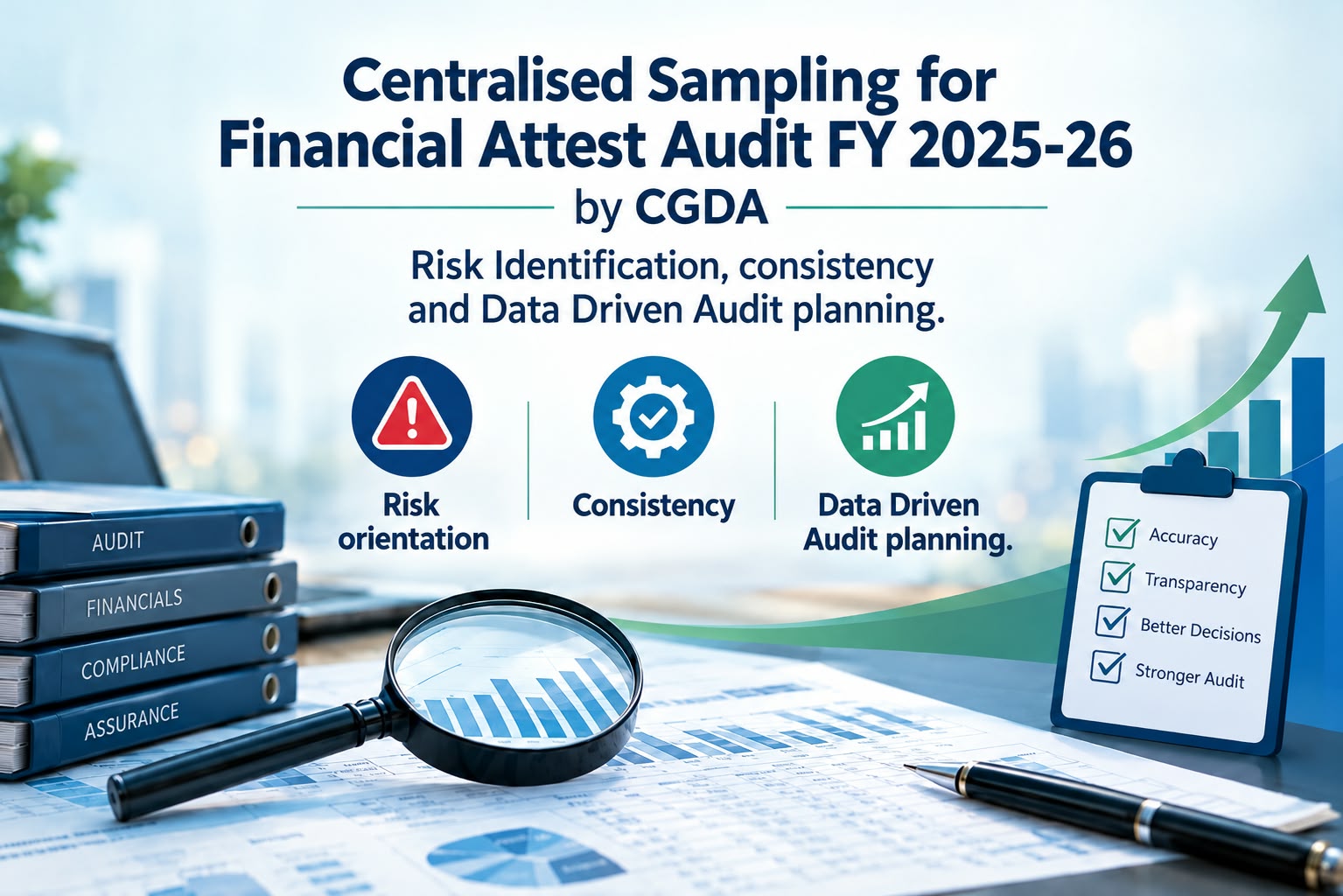
Centralized Sampling for Financial Attest Audit FY 2025-26 Strengthening Risk Orientation, Consistency and Data-Driven Audit Planning
A Strategic Step in Modernizing Audit Planning
In continuation with the digital transformation of public sector audit, the Auditor-General of Pakistan directed CGDA to initiate a centralized sampling exercise for Financial Attest Audit for FY 2025-26 across DAGP formations. The initiative represents a practical step towards strengthening consistency, risk identification and data-driven decision-making in audit planning. Financial Attest Audit provides independent assurance on the reliability of financial statements of various governments’ entities. The exercise is conducted in compliance with Financial Audit Manual (FAM), using a consistent, standards-based methodology that strengthens accountability, transparency, and stakeholder confidence.
The exercise covered sampling for 21 Financial Attest Audits comprising of Federal, Provincial and Local Government accounts including 108 Local Government accounts in KP and 51 and 57 accounts relating to Local Government Punjab (South and North respectively), Ministry of Foreign Affairs, the Ministry of Climate Change and Environmental Coordination, Pak PWD, Geological Survey of Pakistan, etc.
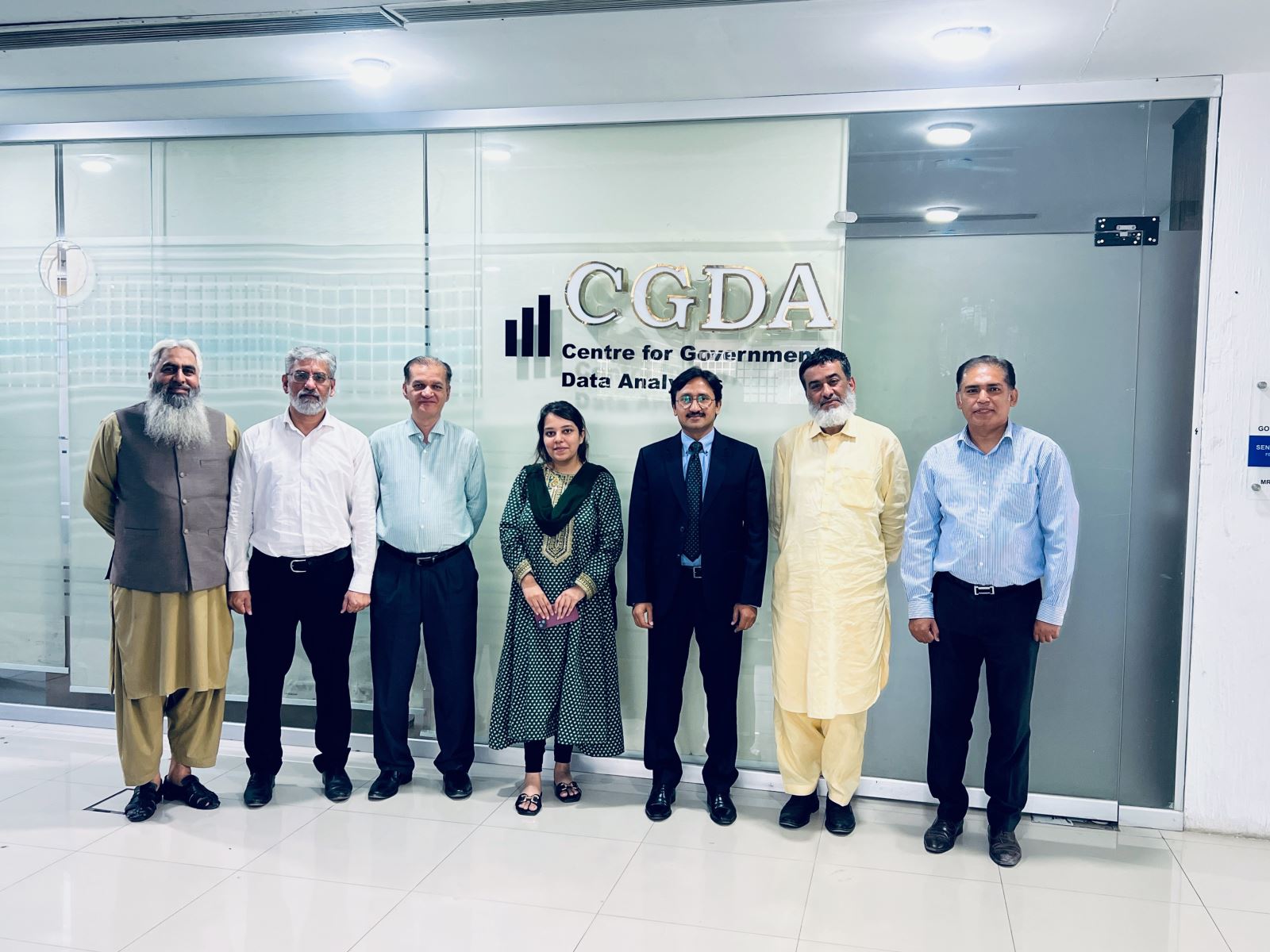
The CGDA centrally conducted data extraction, cleansing, validation, population-level analytical review and sample selection using Audit Command Language (ACL), in accordance with the respective Planning Files prepared by FAOs in accordance with Financial Audit Manual (FAM).
From Sampling to Risk-Based Audit Methodology
The source data was fetched from SAP and some data was provided by FAOs. The Sampling techniques included Monetary Unit Sampling (MUS) for substantive testing, record-based sampling for Test of Internal Controls with analytical identification of High Value Items (HVIs) and Key Items (KIs). This complementary approach enables audit teams to retain statistically informed sampling while giving focused attention to transactions that are financially significant, unusual or otherwise relevant from a risk perspective.
Analytical indicators included:
- Irregular punching of Debit entries in receipt and credit entries in expenditure.
- High-value and threshold transactions
- Outliers and unusual or non-routine transactions
- Reversals and abnormal balances
- Repeated or similar transactions and unusual patterns
- Significant concentrations around vendors
- Unmatched or unreconciled head of A/cs
- Sector-specific anomalies after discussion with sector-specific auditors
- Irregular or misplaced debit or credit entries in Receipt & Expenditure, respectively
A fundamental principle of the exercise is that an analytical indicator is not, by itself, an audit finding. Analytical results identify matters requiring focused audit attention; detailed examination, applicable audit criteria and evaluation of supporting evidence remain essential before an error, irregularity, misstatement or lapses in internal control can be established.
Strategic Value for DAGP
The initiative provides a practical foundation for moving towards the whole population-based data analysis, highlighting risk areas and subsequently pulling sample from the data involving high-risk areas. By bringing analytical visibility to the whole populations before detailed fieldwork, the CGDA support audit formations in directing attention towards matters of greater financial significance or significant audit interest.
Automation of Sampling Scripts
The exercise provides a basis for developing reusable sampling scripts, standardized analytical tests and an Audit Analytics Repository. These capabilities can progressively support more consistent, transparent and data-informed audit planning across DAGP.
The strategic objective is:
“To use data and analytics not simply to analyse more transactions, but to support better audit decisions, stronger risk identification and a clearer line of sight from audit risk to audit evidence.”
The centralized sampling exercise therefore represents an important building block in DAGP’s continuing transition towards risk-oriented, evidence-focused and data-driven public-sector auditing.